


What Is Economics?
You hear about the economy all the time, its ups, its downs, how it’s affecting our lives. Okay. Now, imagine the decisions about the things we value: our jobs, homes, business, money, time, our resources. Each of those decisions is a single thread. Now, watch how they bob and weave and connect, the paths they take and the patterns they form, how we as a society manage all these limited resources. That’s the economy.
So economics, that’s the study of those threads. Economists watch where supply pushes things and demand pulls them. We do this to understand the patterns that make for a more successful economy because the right patterns can foster success for billions. The wrong ones can mean things unravel fast. To study the economy, we use data, graphs, and equations. But it’s not just about math. These threads are all about people. The things we want and the actions we take, our behaviors – that’s a lot to consider, I know. And that’s why some economists will focus on one particular area, business, or market. Understanding just these threads is called microeconomics: how people and companies make choices from everyday spending to big investments. Should I buy or lease a car, invest in the stock market? How do I manage my time and money?
But when you look at the bigger picture, that’s called macroeconomics: how things come together to make the pattern of an entire country’s economy. It helps answer big questions like why are some countries wealthier than others? And how do government policies like taxes, money, and interest rates tie into our lives and livelihoods?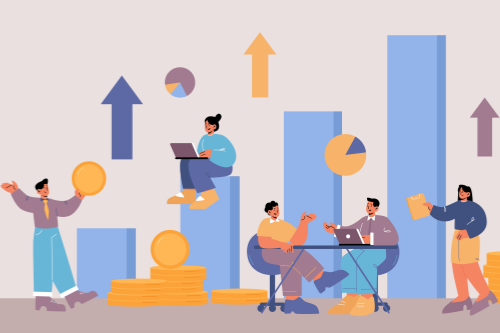
At the International Monetary Fund, we try to answer these questions. And that’s how we keep an eye on each of our member economies, country by country, and on how those economies weave together to form the global economy. We stay vigilant for threads that might get tangled, frayed, or break. And when it’s needed, we help patch up economies with support, including emergency loans.
So what is economics?
Economics is about understanding the economic decisions that we make, all those interconnected threats when resources are limited. And when we understand how all those decisions tie together, we can finally see the bigger picture.